Key Takeaways
- The S&P 500 measures only one part of investing. Your financial plan also includes risk tolerance, taxes, and income needs.
- Higher returns don’t mean better outcomes. Investment strategies should align with personal goals and long-term sustainability.
- Behavior matters during market volatility. Emotional decisions can have a lasting impact on investment performance and financial security.
Why Beating the S&P 500 Shouldn’t be the Full Story in Financial Planning
“Shouldn’t my advisor be beating the S&P 500?”
That’s a common question. It feels fair too. If you pay someone to manage your money, you want to know what you’re getting for it.
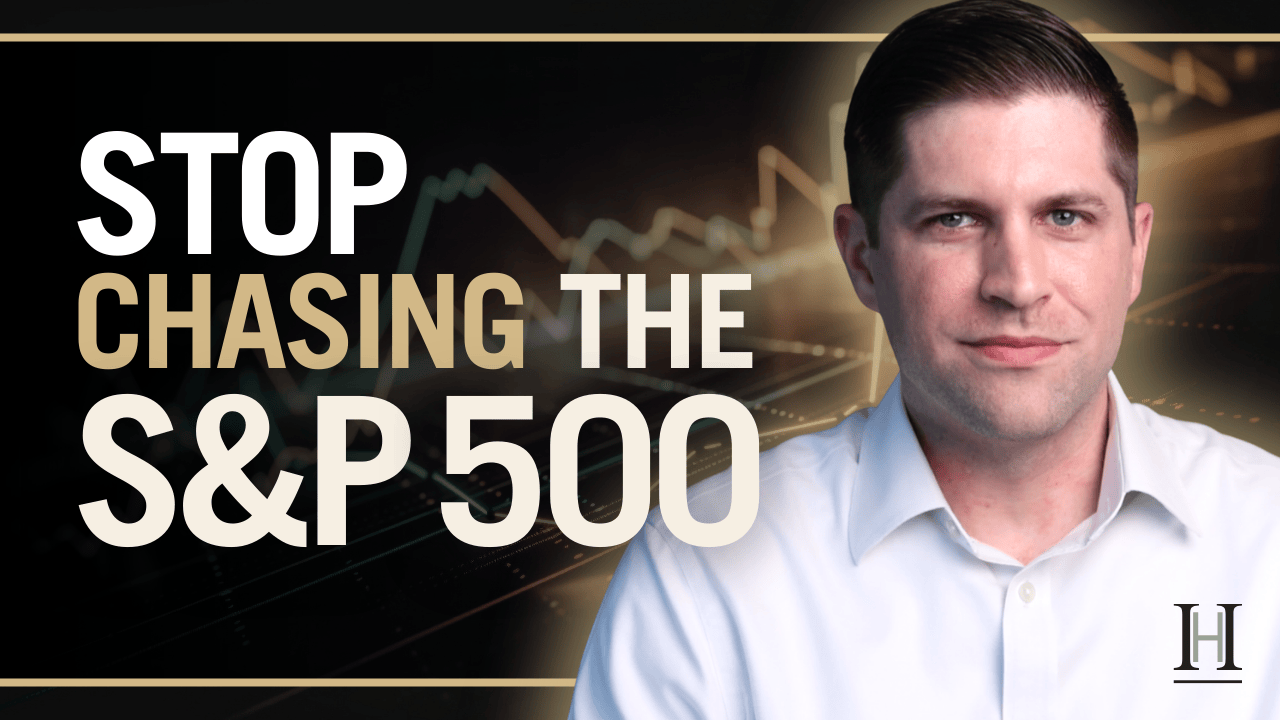
This video kicks off a new educational series from Halbert Hargrove where we take some of the common questions people ask about investing and talk them through. No jargon. No performance charts thrown at you without context.
Why to Avoid Comparing Your Advisor to the S&P 500
In this first episode, Tyler Gilley looks at why comparing your advisor directly to the S&P 500 can lead you down the wrong path. The market index measures one thing. Your financial life includes a lot more than that. Goals, risk tolerance, taxes, income needs, and the simple reality that humans make emotional decisions during market swings.