3 Signs You May Be Too Confident About Retirement
Key Takeaways
- Confidence is valuable, but overconfidence can create retirement planning risks. A prudent retirement strategy balances optimism with realistic planning for uncertainty.
- Concentration risk can quietly increase over time. As investments grow, regularly reviewing your portfolio can help maintain appropriate diversification and reduce unnecessary risk.
- Rules of thumb like the 4% rule aren’t one-size-fits-all. Effective retirement income planning should reflect your unique goals, spending needs, and changing market conditions.
- Not every retirement outcome can be controlled. Market performance, inflation, and sequence of returns are unpredictable, making flexibility an important part of long-term financial planning.
- Retirement readiness comes from building a resilient financial plan. Stress testing your retirement strategy can help prepare for a range of scenarios instead of relying on a single expected outcome.
When Confidence Becomes a Retirement Risk
Confidence can be an asset in retirement planning. Overconfidence can be a risk.
This episode continues our educational series from Halbert Hargrove, where we explore common financial assumptions and the questions that deserve a closer look. No shortcuts. No one-size-fits-all answers.
Ways to Build a More Resilient Retirement Plan
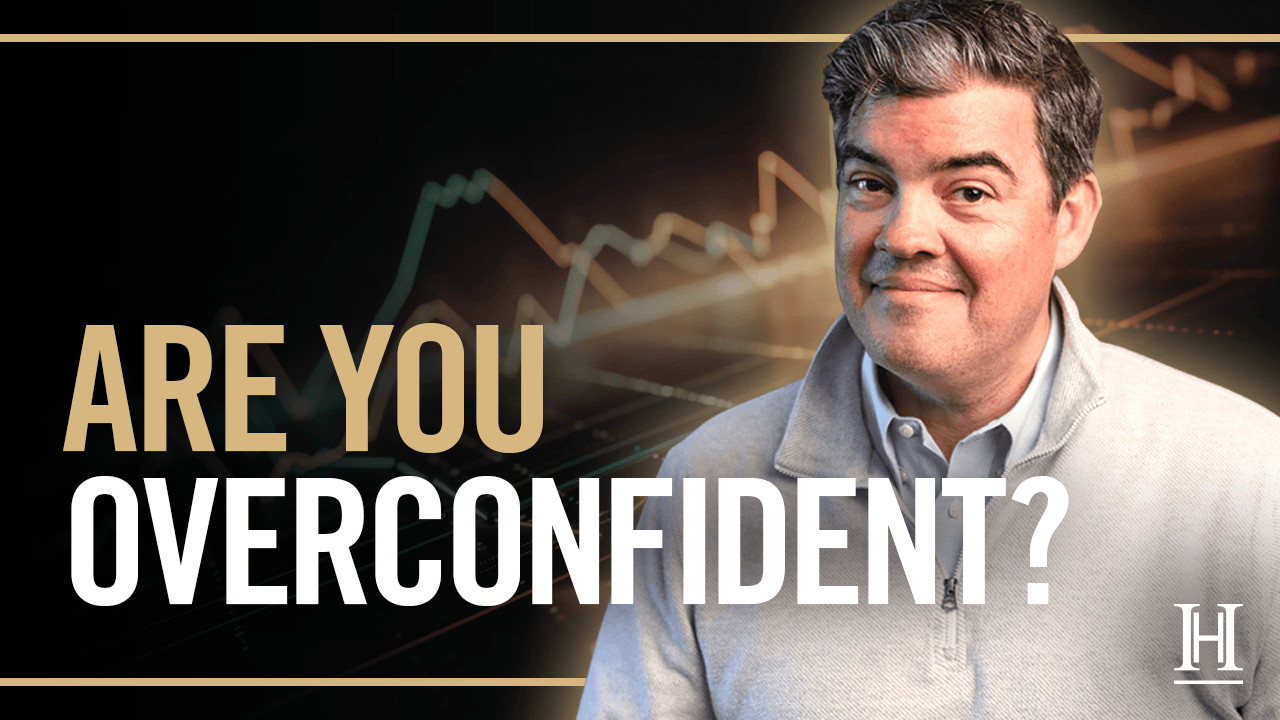
In this episode, Taylor Sutherland discusses three signs that confidence may be giving way to overconfidence: taking on too much concentration risk, relying too heavily on retirement income rules of thumb, and believing you can control outcomes that are ultimately unpredictable. Along the way, Taylor explains why retirement planning isn’t about predicting the future. It’s about preparing for a range of possibilities and building a plan that can adapt as life changes.
Because successful retirement planning isn’t built on certainty. It’s built on resilience.